

No products in the cart.
Famous casinos that have changed the gambling landscape worldwide
Famous casinos that have changed the gambling landscape worldwide
The Birth of Modern Gambling: Las Vegas
Las Vegas, often referred to as the gambling capital of the world, has significantly altered the global perception and experience of gambling. Established in the early 20th century, the city rapidly evolved from a sleepy desert town into a vibrant entertainment hub. The iconic Las Vegas Strip became home to extravagant casinos like The Bellagio and Caesars Palace, which set the standard for luxury and spectacle in gambling. The introduction of themed casinos also created an immersive experience, making gambling not just about the games but about the entire atmosphere. This is particularly relevant for many players who prefer venues that offer reliable payment options, such as credit card casino uk.

The psychology of gambling in Las Vegas is intricately linked to the design and layout of the casinos. High ceilings, elaborate decor, and the absence of clocks and windows contribute to a sense of timelessness, encouraging players to stay longer and gamble more. Additionally, the availability of complimentary drinks and the integration of entertainment options like concerts and shows enhance the appeal. This model has influenced casino design worldwide, prompting other cities to adopt similar strategies to attract gamblers.
Las Vegas casinos have also driven innovations in gaming technology. The development of slot machines with interactive features and digital interfaces has transformed the gambling experience. Casinos here often serve as testing grounds for new gaming technologies, which are later adopted globally. The combination of these elements has made Las Vegas a cultural landmark, shifting the gambling landscape permanently and inspiring numerous destinations to replicate its success.
The Rise of Macau: A New Gambling Frontier
Macau, often dubbed the “Gambling Capital of the World,” has emerged as a formidable competitor to Las Vegas. Since the early 2000s, Macau has seen exponential growth in its gambling industry, largely due to its liberalized gambling laws and proximity to China. The expansion of large-scale casino resorts, such as The Venetian Macao and City of Dreams, has created a unique blend of gambling and luxury tourism. This transformation has drawn in millions of visitors annually, reshaping the global gambling market.
The psychological aspects of gambling in Macau are influenced by its cultural context. The influx of Chinese tourists has introduced a unique set of gambling behaviors, with many players favoring high-stakes games such as baccarat. The atmosphere in these casinos caters to this demographic, offering high-limit gaming areas and VIP services, which cater to affluent players. This shift in focus has prompted global casinos to consider cultural preferences in their offerings, emphasizing the need for localized gaming experiences.
Furthermore, Macau’s success has spurred a wave of investment in gambling infrastructure across Asia. Other regions are now looking to replicate Macau’s model, understanding that a combination of luxury hospitality and entertainment can yield significant economic benefits. As a result, countries like Singapore and the Philippines have invested heavily in their gambling sectors, proving that the ripple effects of Macau’s rise have far-reaching implications for the worldwide gambling landscape.
The Evolution of Online Gambling
The advent of the internet has revolutionized the gambling landscape, giving birth to online casinos that offer players unprecedented access to games. This shift began in the late 1990s and has grown exponentially, allowing users to gamble from the comfort of their homes. Online platforms have created a more inclusive environment, attracting a wider audience that may have previously been deterred by traditional casinos. The convenience of online gambling has transformed the industry and forced physical casinos to adapt to the changing preferences of players.
Psychologically, online gambling caters to a different set of motivations compared to traditional casinos. The anonymity and ease of access can lead to higher levels of gambling activity, as players are less inhibited by social pressure. Online casinos utilize various strategies to enhance user engagement, such as personalized bonuses, gamification elements, and mobile-friendly interfaces. These innovations have encouraged players to explore a wider variety of games, further diversifying the gambling experience.
Moreover, online gambling has prompted a significant shift in regulatory landscapes. Governments worldwide are grappling with how to effectively regulate this burgeoning sector, balancing the benefits of taxation with the need to protect vulnerable players. The rise of online gambling has also seen the emergence of responsible gambling initiatives, reinforcing the importance of maintaining a safe environment for players. These developments highlight the ongoing evolution of the gambling industry in response to technological advancements.
The Influence of Atlantic City
Atlantic City played a crucial role in shaping the gambling landscape in the United States. Officially legalizing gambling in 1976, it became the first city outside Nevada to offer casino gaming. The introduction of casinos like Resorts Casino Hotel and Bally’s brought significant economic revitalization to the area. Atlantic City created a unique blend of beach resort culture and casino gaming, making it a popular destination for East Coast gamblers.
The psychological implications of gambling in Atlantic City are closely tied to its geographic location. The combination of tourism and gaming has encouraged visitors to gamble as part of a broader vacation experience. The boardwalk casinos were designed to be accessible, fostering an atmosphere of fun and excitement. This approach has influenced how casinos operate in other tourist areas, with many incorporating entertainment and dining options to create an all-encompassing experience.
Despite facing challenges from competitors like Las Vegas and emerging online platforms, Atlantic City remains a significant player in the gambling industry. Recent revitalization efforts have focused on attracting younger audiences through new entertainment offerings and upgraded gaming experiences. The city’s resilience underscores the importance of adaptation in the gambling landscape, as it seeks to remain relevant amidst evolving player preferences.
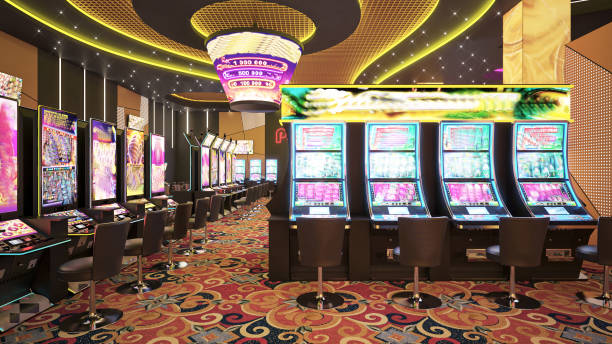
Shaping the Future of Gambling: A Look Ahead
The future of gambling is poised for significant transformation, driven by technological advancements and changing player demographics. Innovations such as virtual reality and blockchain technology are set to revolutionize how players engage with gambling platforms. The integration of immersive gaming experiences through VR can create highly engaging environments, while blockchain offers transparency and security that traditional methods cannot match.
As gambling continues to evolve, the psychological aspects of player behavior will remain crucial for industry stakeholders. Understanding what motivates players, whether it’s the thrill of risk or the social interaction of gaming, will be essential for creating appealing experiences. Moreover, responsible gambling practices will be vital in addressing potential issues arising from these innovations, emphasizing the industry’s commitment to player safety and well-being.
With the global gambling landscape in constant flux, industries and governments alike must navigate these changes wisely. As new markets emerge and technology reshapes the way people gamble, adaptability will be key. Understanding the psychological impacts of these transformations will enable operators to create sustainable environments that not only cater to player preferences but also prioritize responsible gaming. By doing so, the gambling industry can continue to thrive in an ever-changing world.
Leave a Reply